Importance of Villages And Rural Areas In The Development Of A Country:
Introduction:
Villages and rural areas make up a significant portion of the world’s population, yet they are often overlooked in discussions of development and progress and their importance is often overlooked. However, rural life and agriculture have played a crucial role in human history and continue to do so today. In this article, we will explore the importance of villages and rural life in more detail, focusing on their role in food production, environmental preservation, cultural heritage, economic development, education, healthcare, and infrastructure.
Food Production:
Agriculture is the backbone of many rural economies and is essential for ensuring food security. According to the Food and Agriculture Organization (FAO), about 80 percent of the world’s food is produced by smallholder farmers in rural areas. These farmers grow crops, raise livestock, and produce dairy products that are essential for human survival. Rural areas are often the primary producers of food for the rest of the country. Without these farmers, we would struggle to feed the growing population of the world.
Moreover, the importance of rural areas in food production is not limited to just providing food for the population. Rural areas and agriculture play a crucial role in preserving biodiversity and the environment. Sustainable agriculture practices such as crop rotation, agroforestry, and conservation tillage help to preserve soil health and prevent erosion. Sustainable agriculture also helps in preserving biodiversity by encouraging the preservation of natural habitats for insects, birds, and other wildlife. In this way, agriculture and rural life contribute significantly to environmental preservation.
Cultural Preservation:
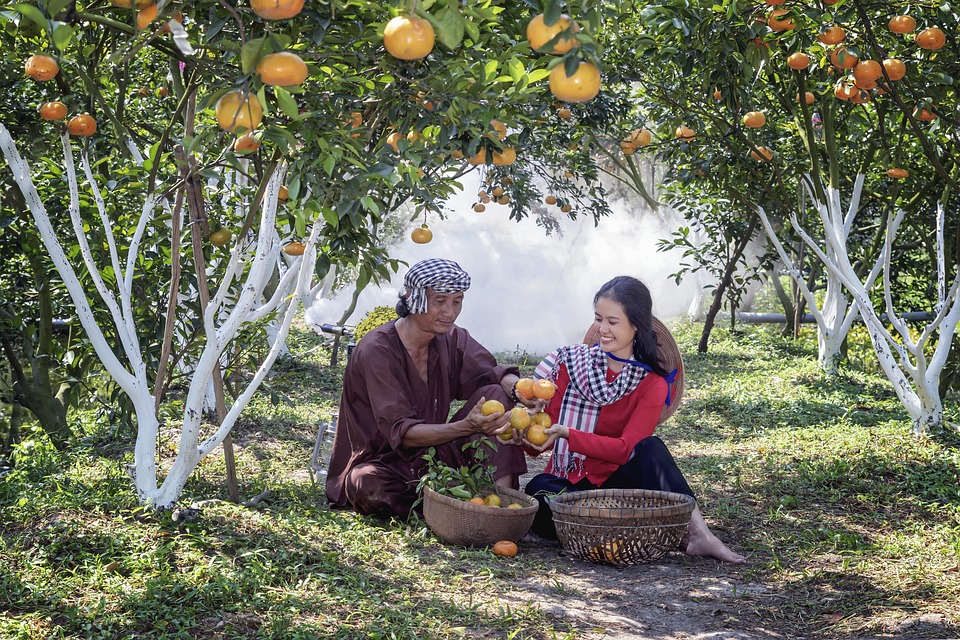
Cultural heritage is a significant aspect of rural life. Rural areas often have unique traditions, customs, and ways of life that have been passed down from generation to generation. These traditions include traditional crafts, music, dances, and festivals. It’s important to recognize the value of this cultural heritage and work to preserve it. By doing so, we can help ensure that our diverse cultural heritage remains intact and that future generations can learn from and appreciate it.
Additionally, rural communities often have a strong sense of community and belonging. This sense of community is essential for maintaining social cohesion and can help reduce social isolation and loneliness, which can be a significant problem in urban areas. Rural life is often slower-paced and less frenetic, providing a peaceful and calm environment for individuals seeking to reconnect with nature and the community.

Environmental Preservation:
Rural areas often contain vast natural resources such as forests, rivers, and wildlife. These resources are essential for environmental preservation and biodiversity. They play a critical role in mitigating the effects of climate change, such as carbon sequestration and regulating water cycles. Many of the world’s most significant environmental issues, such as deforestation and habitat loss, are concentrated in rural areas. By protecting these areas, we can help ensure a sustainable future for ourselves and future generations.
Economic Development:
While rural areas may not have the same level of economic development as urban areas, they still play an important role in the economy. Rural areas provide raw materials for manufacturing and are often the source of many traditional crafts and products. Moreover, rural tourism is becoming increasingly popular, providing opportunities for small businesses and entrepreneurs to thrive. By investing in rural areas, we can help create more economic opportunities and improve the standard of living for those who live there.

Challenges faced by rural areas:
Education: Education is a crucial aspect of development and progress, and rural areas face unique challenges in this regard. Access to quality education can be limited in rural areas due to a lack of infrastructure, resources, and qualified teachers. However, education is essential for the social and economic development of rural communities. Educated individuals are better equipped to access economic opportunities, advocate for their rights, and participate in democratic processes.
Healthcare: Access to healthcare is another significant challenge in rural areas. Rural communities often lack adequate healthcare facilities, medical professionals, and infrastructure, making it difficult for residents to access essential medical services. This lack of access can lead to higher rates of preventable diseases, lower life expectancy, and reduced quality of life.
Infrastructure: Infrastructure is essential for economic development and social well-being, and rural areas often lack adequate infrastructure. Rural areas may lack access to basic services such as clean water, electricity, and transportation, making it difficult for residents to access essential goods and services. This lack of infrastructure can also make it difficult for businesses to operate and for economic development to occur.
To address these challenges, governments and non-governmental organizations have been implementing various programs which include the construction of schools, training of teachers, and provision of scholarships or other forms of financial assistance to students, construction of roads and bridges, construction of healthcare facilities, training of medical staff etc.
Conclusion: In conclusion, villages and rural areas play a crucial role and have great importance in human history and continue to do so today. They are essential for food production, environmental preservation, cultural heritage, economic development, education, healthcare, and infrastructure. While rural areas may face unique challenges in each of these areas, investing in these areas can help create more opportunities and improve the standard of living for those who live there. It’s essential to recognize the value of rural life and work to support and develop these communities for a sustainable future.